
When choosing studio headphones, it’s important to know the difference between closed-back and open-back headphones. Both designs deliver very different listening experiences. Open backs let sound breathe, while closed backs keep it sealed in. Understanding these differences is crucial if you want to select the right pair for mixing, recording, or everyday listening. In this blog, we’ll explore closed-back vs. open-back headphones in detail.
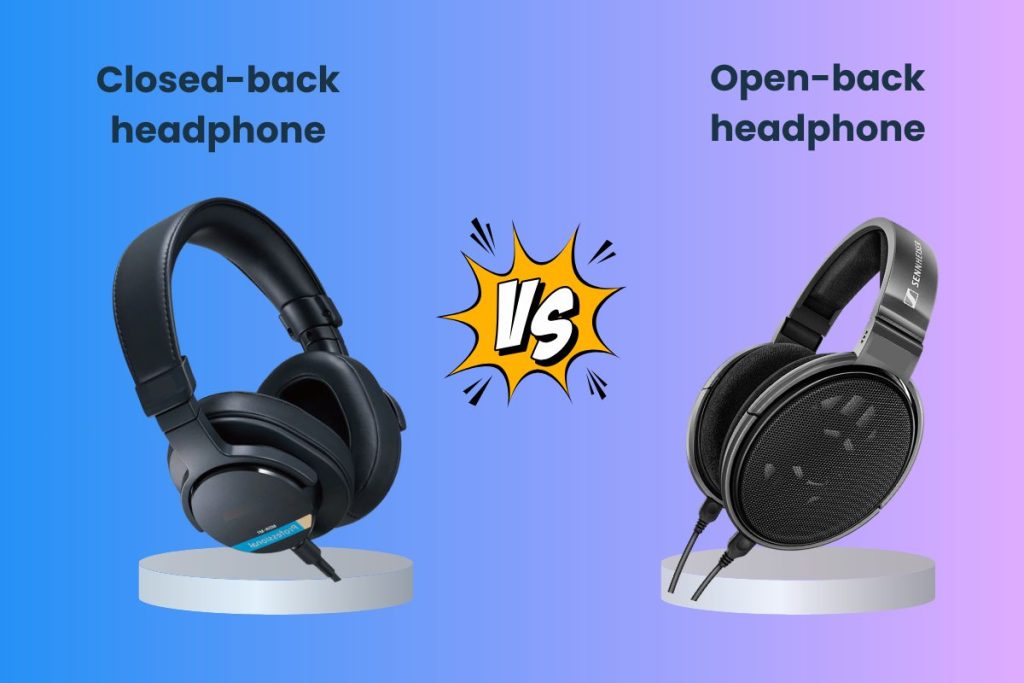
Table of Contents:
- What are they?
- What are they good for?
- Where they may fail…
- Use Case Guidelines
- Here are some of the best open-back headphones
- What are they?
- What are they good for?
- Where they may fail…
- Use Case Guidelines
- Here are some of the best closed-back headphones
Open-back headphones
What are they?
Open-back headphones have vents or grills on the earcups. These openings let air and sound pass through instead of trapping everything inside. As a result, the sound feels open and spacious. They create a wide stereo image, making instruments easier to separate. This design also reduces the heavy, boxed-in feeling that some headphones cause. However, the trade-off is that sound leaks out, and outside noise can easily get in.
What are they good for?
Natural listening experience
Open-back headphones produce a wide and airy soundstage. This makes music sound closer to how it would on studio monitors.
Mixing and mastering
Their accurate frequency response helps spot details like harsh highs or muddy lows. Engineers use them for balanced mixing decisions.
Read More to know about different music frequencies.
Critical listening
Audiophiles value their ability to reveal subtle details in recordings. Small effects, panning, and room reverb are easier to hear.
Comfort in long sessions
The vented design reduces ear pressure and heat build-up, making them comfortable for extended listening or editing sessions.
Better stereo separation
Wide stereo imaging helps distinguish instruments and vocals clearly, which is useful for both music production and analysis. This helps in better mixing.
Where they may fail…
Poor noise isolation
Open-back headphones don’t block outside sounds. If you’re in a noisy room or public space, it will surely distract you.
Sound leakage
Because the earcups are vented, music leaks out. This can disturb people around you, especially in quiet spaces like libraries or offices.
Not for recording
In studio recording, the sound from open backs can spill into the microphone. This bleed makes them unsuitable for singers or instrumentalists who need clean takes.
Weaker bass response
While open backs provide accurate sound, they often lack the strong, punchy low-end found in closed designs. This can make them less enjoyable for bass-heavy genres.
Use Case Guidelines
Open-back headphones are best in quiet, controlled environments. One of the most common uses is in audio mixing. Because their design creates a wide and natural soundstage. Audio engineers can more accurately judge how instruments sit in a mix.
They are also well-suited for critical listening and audiophile setups. If you enjoy high-quality recordings, open-backs reproduce music with a sense of depth and realism that closed-back headphones often lack.
Another strong use case is long editing or production sessions. Since the vents reduce ear pressure and heat build-up, it remains comfortable for hours. This makes them practical for tasks like podcast editing, film scoring, or video production, where long stretches of focused listening are required.
Here are some of the best open-back headphones
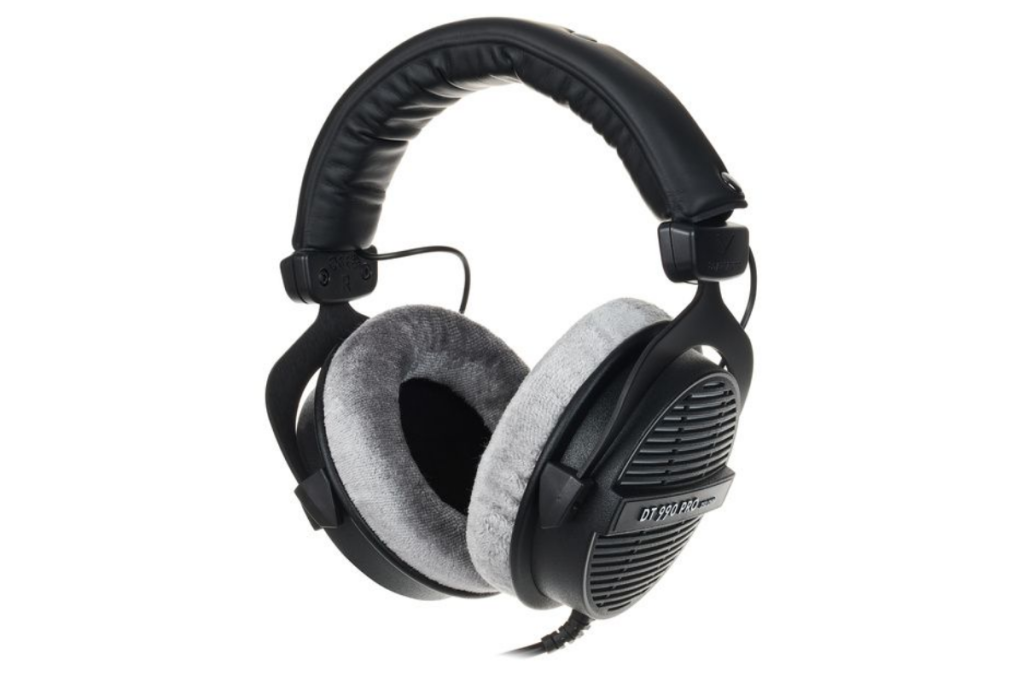
Beyerdynamic DT 990 PRO
What we like about it:
- Wide and detailed soundstage.
- Comfort for long sessions.
- Modular and replaceable parts.
- Wide and detailed soundstage.
What we don’t like about it:
- Needs an amp / high impedance for best use.
- The cable is non-detachable and heavy.
- Harsh treble, according to users.
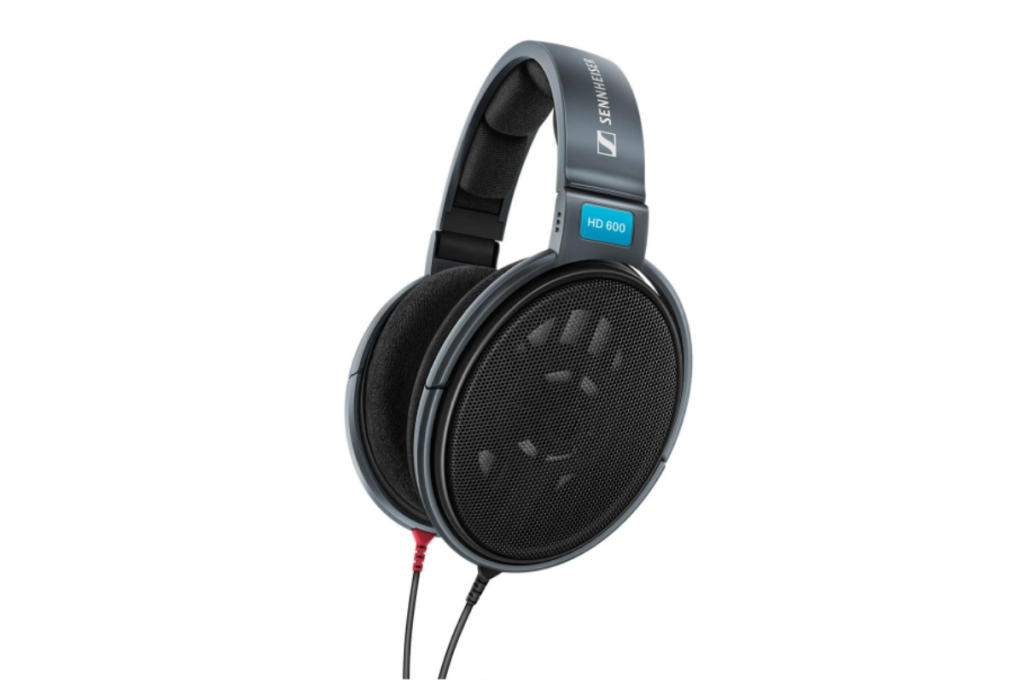
Seinheiser HD600
What we like about it:
- Transparent, neutral sound
- Comfort over long sessions
- Excellent midrange clarity
What we don’t like about it:
- Weak bass
- High impedance requires good source
- Sound leakage & lack of isolation
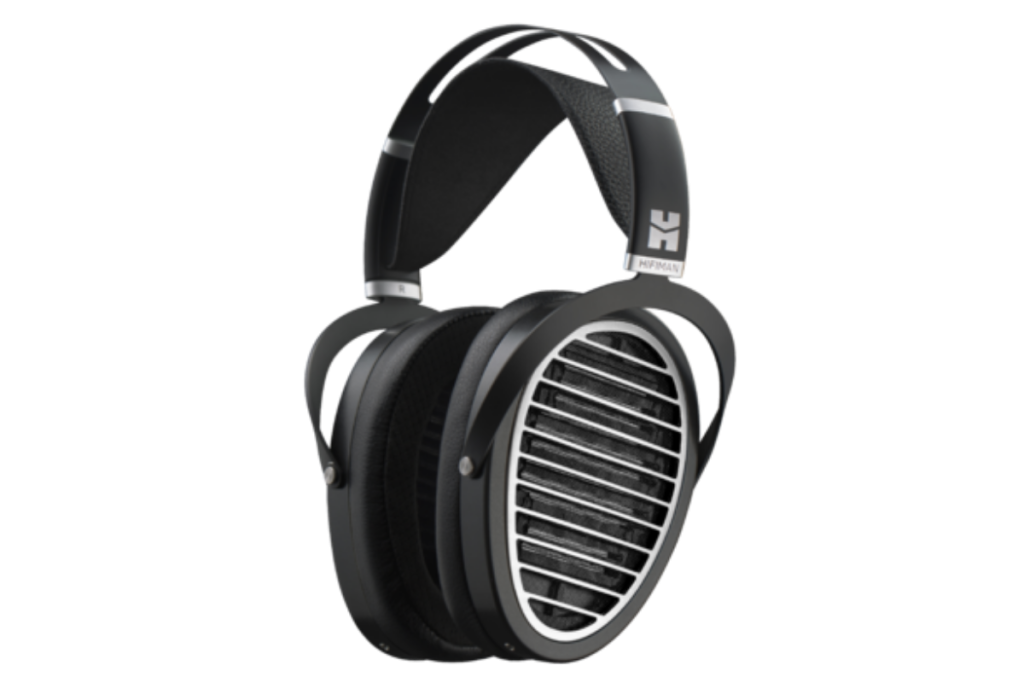
Hifiman Ananda Stealth
What we like about it:
- Good balance with added bass weight
- Spacious staging and imaging
- Light and comfortable build
- Innovation in magnet design and transparency
What we don’t like about it:
- Trebles can be peaky / fatiguing
- Mids might feel lean or a bit distant
- Basic accessories and cable issues
Closed-Back Headphones
What are they?
Closed-back headphones have fully sealed earcups. They don’t allow air or sound to pass through the cups. This sealed structure keeps audio contained inside the studio headphones. Likewise, it also blocks a good amount of outside noise. Therefore, creating a more focused and direct listening experience. It makes them practical in studios, public spaces, and any environment where isolation is important.
What are they good for?
Recording and tracking
Their sealed design prevents sound from leaking into microphones, making them perfect for vocalists and instrumentalists in the studio.
Noise isolation
Closed backs block much of the outside noise, allowing you to focus on the audio even in busy or loud environments.
Live performance and DJ monitoring
Musicians and DJs can hear their mixes clearly on stage or in clubs without interference from surrounding sounds.
Casual listening and travel
Their isolation makes them practical for commuting, working in offices, or listening on airplanes without distractions.
Bass-heavy music enjoyment
Closed designs often deliver a punchier low-end, adding impact and energy to genres like EDM, hip-hop, and pop.
Private listening
Since sound doesn’t leak out easily, they’re suitable for situations where you don’t want to disturb people around you.
Where they may fail…
Smaller soundstage
Closed back headphones often sound less spacious. The audio feels more “in your head” compared to the wide, open feel of open backs.
Long-session discomfort
The sealed cups trap heat and pressure, which can make ears warm and listening tiring over long periods.
Less natural frequency response
While they often have strong bass, the overall sound can be less accurate. Some models emphasize lows too much, masking details in mids and highs.
Studio mixing limitations
Because of their narrower soundstage, they are not ideal for tasks that require precise stereo imaging and critical balancing.
Bulkier for portability
Closed-back headphones tend to be heavier and larger than earbuds or portable options, which makes them less convenient for everyday carry.
Use Case Guidelines
Closed-back headphones are most effective in environments where isolation is a priority. In recording studios, they are the standard choice for tracking vocals and instruments. The sealed design keeps the backing track from bleeding into the microphone.
They are equally valuable in live performance and DJ setups. On stage or in a noisy club, artists need to hear their mix clearly despite the loud surroundings. Closed backs provide the isolation required to monitor accurately in these high-volume situations.
For everyday listening and travel, they’re often the more practical choice. Whether you’re outdoors, the noise isolation allows you to enjoy music without distraction. This makes them especially popular among commuters and frequent travelers.
Another strong use case is for bass-heavy genres. Many closed models deliver extra punch in the low frequencies, which can add excitement when listening to hip-hop, EDM, or pop.
Here are some of the best closed-back headphones
Beyerdynamic DT 770 PRO
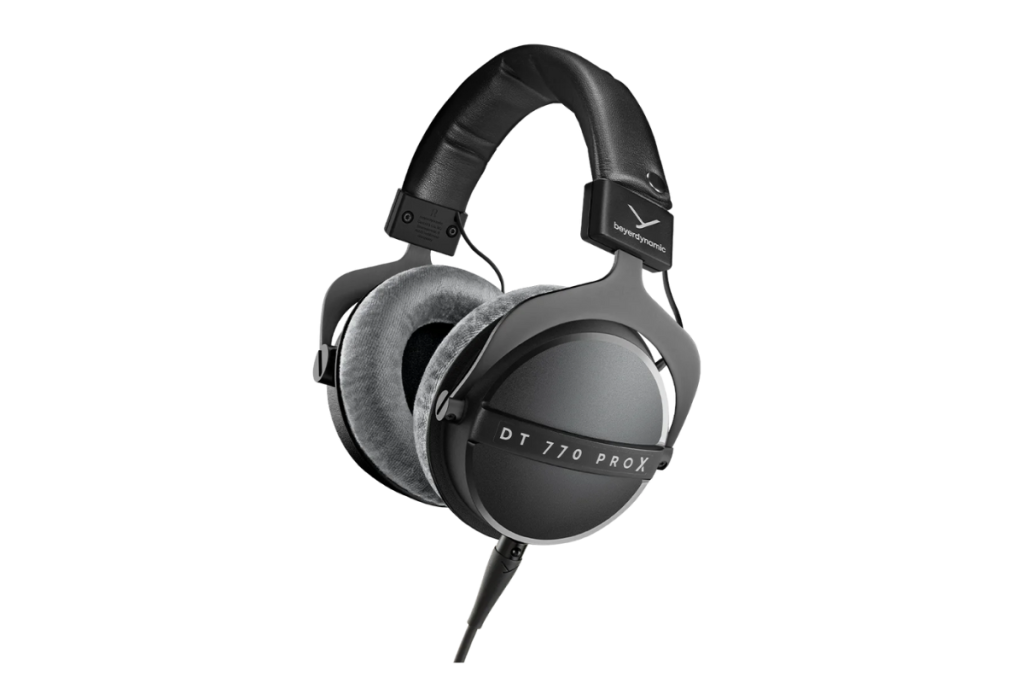
What we like about it:
- Strong build and durability.
- Clear mids and solid bass.
- Comfort for long sessions.
- Great value in studio settings.
What we don’t like about it:
- Treble can be sharp.
- Less isolation in real environments.
- Cable is non-detachable in many models.
AKG K371
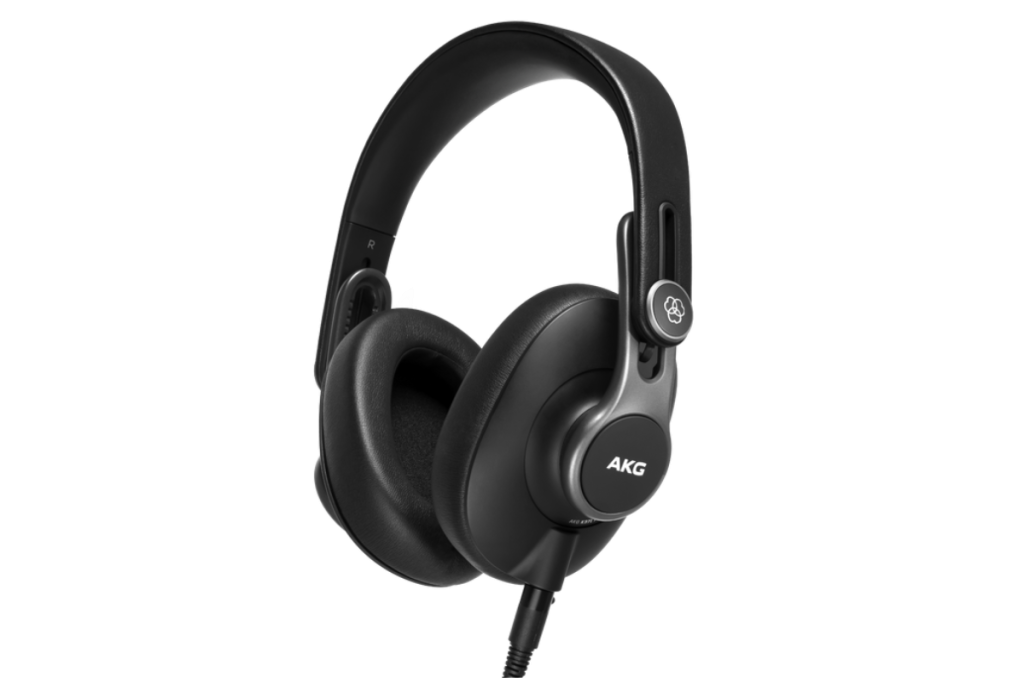
What we like about it:
- Neutral/balanced sound signature.
- Comfortable and lightweight.
- Good accessory package.
- Easy to drive.
What we don’t like about it:
- Average isolation.
- Some leakage/sound escape.
- Upper frequencies / treble trade-offs.
Audio-Technica ATH-M50x
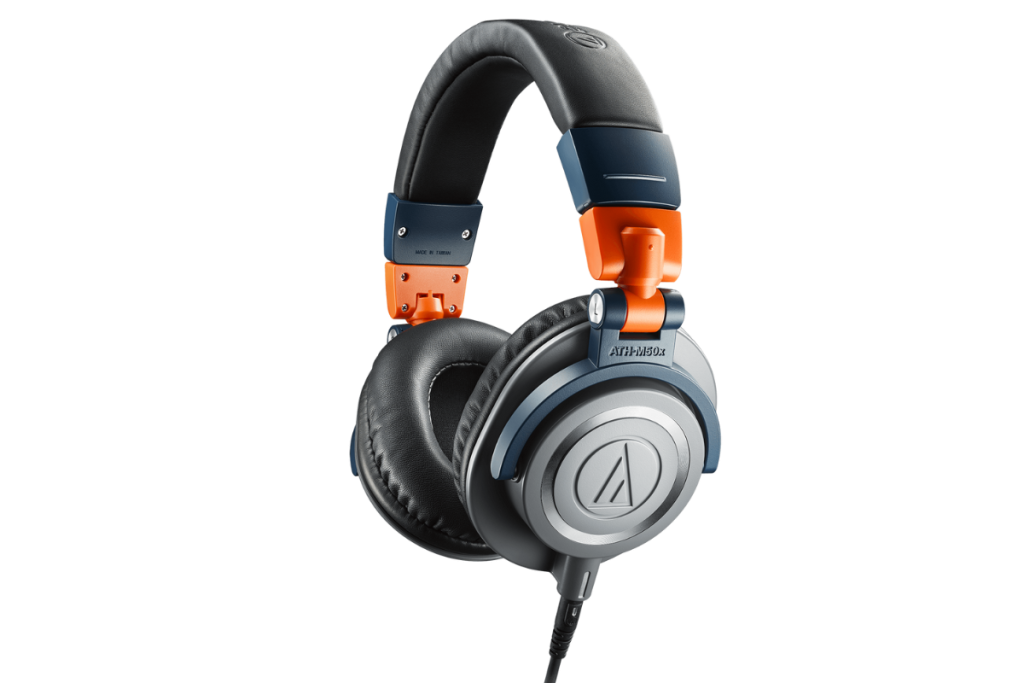
What we like about it:
- Well-balanced and punchy sound.
- Rugged build & design.
- Comfortable with a detachable cable.
- Studio staple/industry acceptance.
What we don’t like about it:
- V-shaped frequency response
- Mediocre passive isolation.
- Not ideal for long periods in hot/sweaty conditions.
Conclusion
Choosing between closed-back headphones and open-back headphones comes down to how and where you listen. Open backs deliver natural, spacious sound that’s perfect for mixing, mastering, and quiet home listening. Closed-back headphones focus on isolation, making them better for recording, travel, and noisy spaces. Neither is strictly “better”; they simply serve different needs. If possible, many audio creators and listeners benefit from owning both, ensuring they always have the right tool for the job.