
Getting sound right isn’t just about volume or effects. It starts with how audio is delivered. That’s where mono vs stereo comes in.
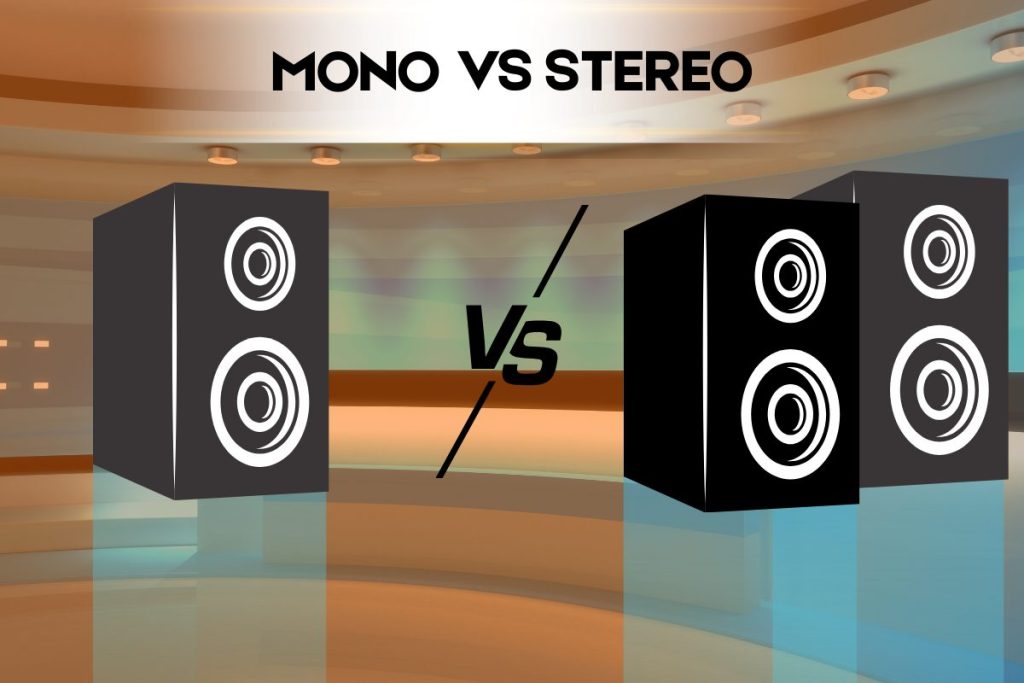
Mono sound uses a single channel, while stereo sound spreads across two, creating depth and space. Knowing the difference is key for clean, balanced audio mixing. In this guide, we’ll break down what they mean, when to use each, and how they affect your final mix.
Table of Contents:
3. Mono VS Stereo: What’s the difference?
4. Things to consider while mono mixing
5. Things to consider while stereo mixing
What is a Mono Sound?

Mono sound, short for monophonic, means all the audio comes through a single channel. No matter how many speakers are playing, each one delivers the exact same signal.
It’s often used for vocals, podcasts, phone calls, and public address systems because clarity is more important than space. Mono ensures that nothing gets lost when played on small devices like smartphones or Bluetooth speakers.
What is a Stereo Sound?

Stereo sound uses two separate channels, one for the left speaker and one for the right. This allows sounds to be placed across the listening space, creating stereo width and a sense of direction.
For example, vocals might sit more on the centre while percussions feel spread across both sides. Stereo sound is the standard for modern music, films, and games because it delivers depth, realism, and immersion.
Read this blog to know about the importance of stereo imaging.
Mono VS Stereo: What’s the difference?
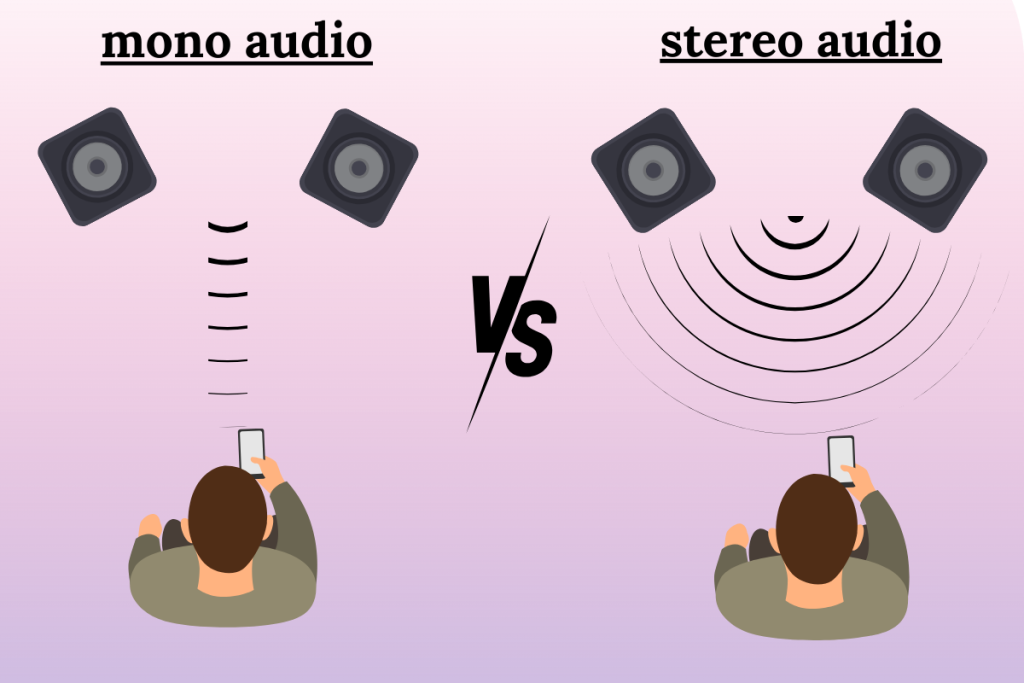
It isn’t just the number of channels, but how they shape the listening experience. Mono sound is focused and consistent—what you hear doesn’t change no matter where you stand in the room. Stereo, on the other hand, creates space and separation, making instruments and effects feel spread out and more realistic.
For audio mixing, this distinction is important. Mono makes it easier to judge balance, since every element competes in the same space. Stereo allows creative choices like panning, reverb, and delay to build a sense of movement and depth.
Another key factor is mono compatibility. A track mixed in stereo should still sound strong when collapsed to mono, since many systems like clubs, shops, or portable speakers still use mono playback. In short, mono prioritizes clarity, while stereo enhances dimension and immersion.
Things to consider while mono mixing
- Check balance clearly – In mono, all sounds compete in one space, making it easier to hear if instruments clash or if vocals get buried.
- Spot phase issues – Mixing in mono quickly reveals phase cancellation that might be hidden in stereo.
- Focus on EQ decisions – Since there’s no panning, EQ adjustments play a bigger role in separating instruments.
- Test translation – Mono mixing ensures your track still sounds strong on phones, Bluetooth speakers, and club systems.
- Control low end – Keeping bass and kick solid in mono prevents muddiness and ensures energy is centered.
- Simplify arrangement – If a mix sounds messy in mono, it often means there are too many overlapping parts competing for space.
Phase Cancellation: When two similar sounds play together but their waveforms don’t line up, parts of the sound can cancel each other out. This makes the audio weaker or even makes some parts disappear. Read More.
Things to consider while stereo mixing
- Use panning carefully – Spread instruments across left and right to create space, but keep key elements (vocals, kick, bass) centered.
- Maintain mono compatibility – Regularly check your mix in mono so important parts don’t disappear.
- Control stereo width – Avoid over-widening; too much width can sound hollow or weak on certain systems.
- Balance reverb and delay – Stereo effects add depth but can easily clutter the mix if overused.
- Match levels between channels – Uneven left-right volume can make the mix feel lopsided.
- Layer strategically – Place supporting instruments or doubles in the stereo field to enhance stereo imaging without crowding the center.
Mono Compatibility: A stereo mix should still sound good when played in mono. This ensures the music works well on phones, clubs, or any system that doesn’t play stereo sound.
Frequently Asked Questions
Is it better to mix in stereo or mono?
The best approach is to use both. Stereo mixing allows instruments to be spread out, giving the track width and space. But checking in mono sound is just as important because it reveals balance problems and ensures mono compatibility. Professional engineers often switch between mono and stereo during the process.
Does mono sound better than stereo?
It depends on the situation. Stereo sound usually feels richer and more immersive thanks to stereo width and stereo imaging. However, in places like clubs or small speakers, mono sound can be more reliable, as nothing gets lost when channels collapse into one.
Did the Beatles prefer mono or stereo?
In the 1960s, the Beatles and their producers put more effort into mono mixing, since most people listened on mono systems. Their stereo versions were often mixed quickly afterward. Many fans argue that early Beatles records still sound more powerful in mono.
Why do people mix in mono?
Mixing in mono sound makes it easier to hear if instruments clash or if the low end is muddy. It also highlights phase cancellation issues that stereo might hide. By starting in mono, engineers create a solid foundation before expanding the mix into stereo sound.
Why do some songs sound better in mono?
Some songs sound tighter and punchier in mono mixing because all elements sit together in one space. Older recordings were designed for mono playback, so collapsing them to stereo can feel unnatural. Even today, tracks with strong vocals and rhythm often translate better in mono on basic playback systems.
Conclusion
Understanding Mono vs Stereo is less about choosing one over the other and more about knowing how each serves a purpose. Mono sound brings focus and reliability, while stereo sound creates depth and space. In audio mixing, both work together—mono ensures strength and clarity, stereo adds character and immersion. A good mix balances the two, making music sound great whether it’s played on headphones, club speakers, or a simple phone.