
Mastering often feels like the quiet step at the end of audio production, yet it is the stage where a song, podcast, or voice-over finally becomes something people enjoy listening to. Many creators notice this the moment they compare a raw mix with a mastered version. The mastered one feels clearer, more balanced, and more confident, and it survives different devices without losing its character.
These differences are easy to overlook until you hear how much more polished your work sounds when the finishing touches are done correctly. It is the point where your audio stops feeling homemade and starts sounding ready for real-world listeners who expect a consistent and pleasant experience.
Table of Contents:
Does Mastering Actually Make a Difference in How Your Audio Sounds?
What Happens if I Do not Master a Song or Podcast?
Is Mastering Music Worth for Small Creators and Budget Setups?
Is Mastering the Hardest Part of Making a Song?
How Mastering Impacts Your Overall ROI in Music and Content Production
Is Mastering Easy Today, Especially with AI?
Does Mastering Actually Make a Difference in How Your Audio Sounds?
Mastering makes a clear difference because it improves loudness, clarity, and balance in a way that mixing alone cannot. A track that goes through professional mastering sounds more stable and clean on different speakers. When a mix is not mastered, the tone can feel uneven and the loudness may drop when placed next to other songs. Many creators notice this shift when they play their unmastered audio in a car or on a phone and find the vocals too soft or the bass too heavy. Mastering reduces those issues by adding controlled EQ, final compression, and proper loudness so your audio stays strong across all playback devices. This is why a mastered track feels complete while an unmastered one often feels like a rough draft.
The change becomes even more clear when you compare the two versions side by side. The mastered version sounds fuller and smoother, and listeners do not have to adjust the volume. This helps them focus on the performance rather than the sound flaws. A good mastering chain also improves stereo width and manages harsh peaks that might cause ear fatigue. Many creators expect mastering to be a dramatic makeover, but it is more of a final polish that brings the mix to its best form. Small changes make a noticeable difference because this is the final stage before release, where even tiny adjustments add to the overall impact. Once creators hear the upgraded output, they understand why mastering is often called the final shaping of a track.
What Happens if I Do not Master a Song or Podcast
Without mastering, your audio may sound weak, uneven, or harsh when shared on streaming platforms. Unmastered songs often struggle with low volume, muddy frequencies, or sharp highs that feel tiring to listen to. Podcasts suffer even more because voice levels shift from segment to segment and the background noise becomes more obvious. When listeners notice sudden changes, they lose focus or stop listening. Streaming services apply loudness rules that can lower the volume of your track if it is not prepared. This leads to your audio sounding even softer compared to other content. These issues happen not because the mix is bad but because it is not optimized for playback systems. Skipping this step may keep your audio from performing well on playlists or feeds.
The biggest problem is how unpredictable unmastered audio becomes once it leaves your computer. It may sound fine in your headphones but completely different on a phone speaker or car stereo. Mastering solves this by making the tone and loudness stable everywhere. Many creators think listeners will ignore slight flaws, but people judge audio quality quickly, often within seconds. If something feels off, they move to the next track. The lack of final mastering polish also affects how professional your work feels to clients and collaborators. Even basic mastering can prevent these issues and help your audio hold its place next to other released content. Skipping it often creates more problems than it saves time.
Is Mastering Music Worth for Small Creators and Budget Setups?
Yes, music mastering is worth it for small creators because it helps your audio sound polished even if you record with a simple setup. You do not need a large studio to benefit from mastering. A small improvement in EQ, loudness, and clarity can help your track stand stronger next to professional releases. When your mix is clean but not mastered, it may lack the punch and balance that listeners expect. Mastering fixes these gaps by shaping the low end, smoothing the highs, and making the vocal sit better. These changes help your track feel more reliable on phones, laptops, and speakers. Small creators often rely on first impressions, so having a clean and stable sound matters more than many think.
Good mastering also improves how your content performs on platforms. A consistent loudness level helps with listener retention. A stronger low end can make a beat feel more engaging. A smoother vocal helps a podcast feel more trustworthy. These may seem like small changes, but they add up when you release content often. The cost of mastering has also become much lower with modern tools, making it more reachable. Even automated or AI based tools can help a creator improve the final sound without spending much. For many independent artists, mastering is the step that changes the project from sounding homemade to sounding ready for real audiences. This is why it remains a smart investment even for small budgets.
Is Mastering the Hardest Part of Making a Song?
Mastering is not always the hardest part, but it can feel difficult because it demands very careful listening. It is different from mixing because you work with the entire track instead of individual elements. Many creators find it tricky because small changes in EQ or compression affect the whole sound. If you push too much, the audio becomes harsh or squashed. If you do too little, the track may still feel plain. This balance makes mastering a skill that improves with practice. The challenge comes from knowing what the mix needs without changing its character. Some tracks need more control on the low end, while others need smoother highs. Learning to judge these details takes time and patience.
Modern tools have made the process easier, but you still need a sense of direction. AI tools can give a strong starting point, yet understanding the final goal helps you refine the output. Many creators use a simple workflow where they compare their track with a reference song to understand the tonal balance. This makes mastering less intimidating. It also helps beginners understand why certain choices matter. The hardness of mastering depends on how deep you want to go. For basic releases, simple mastering is enough. For high end projects, you may need more precision. Over time the process feels more natural because you learn what problems appear often and how to solve them quickly.
How Mastering Impacts Your Overall ROI in Music and Content Production
Mastering affects your ROI because it changes how people react to your audio within the first few seconds. A clean, balanced, and loud enough track keeps listeners from skipping. When people stay longer, you earn more streams, more watch time, or more engagement. Mastered audio feels easier on the ears because it manages harsh tones and controls the low end. This helps your content feel trustworthy and ready for release. Many creators forget that platforms reward listener retention. Better sound often leads to better retention. When your mix sounds good on all devices, you avoid the risk of losing listeners due to sudden jumps in loudness or unclear vocals. These small factors add up when you publish often.
The ROI impact also shows up in opportunities. Content that sounds polished is more likely to impress collaborators or brands. A podcast with stable audio feels more reliable. A voice over with smooth tone feels more professional. A mastered song sits better in playlists and may get more shares. These outcomes create long term gains. You spend less time fixing issues and more time creating. Even simple audio mastering lifts the quality enough to make your work feel intentional. In a crowded digital space, good sound helps you stand out without spending much. This is why many creators view mastering as a small investment that offers steady returns over time.
Is Mastering Easy Today, Especially with AI?
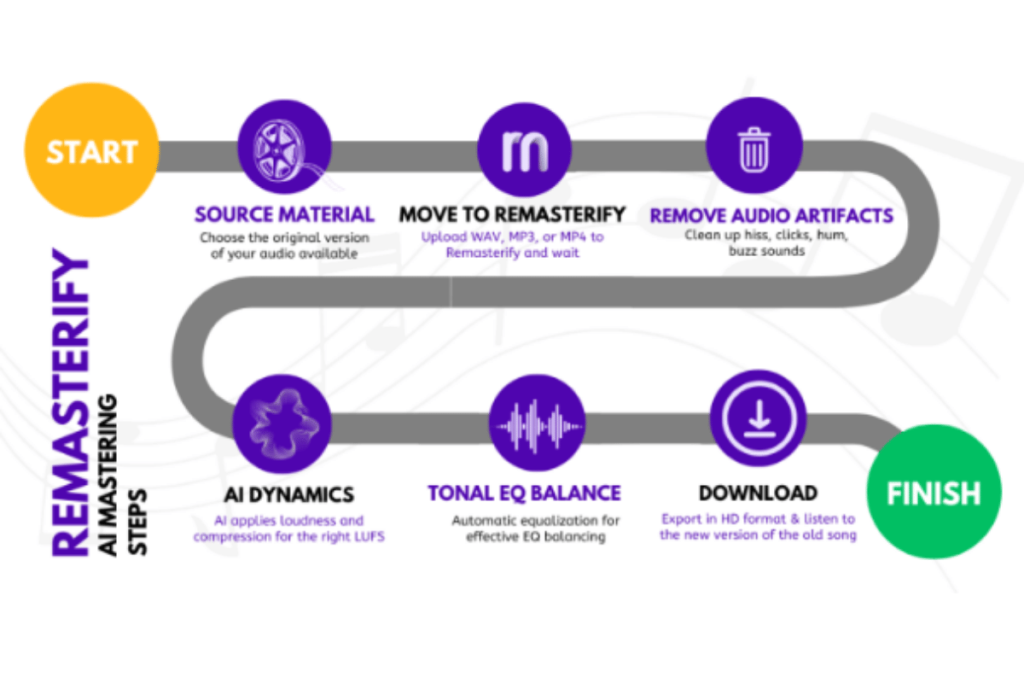
Mastering has become much easier today because AI tools can analyze the audio and apply balanced EQ, compression, and loudness settings within seconds. This does not replace skilled engineers, but it helps beginners get a better result without deep technical knowledge. Many creators struggle with identifying what sounds wrong in their mix. AI tools reduce this stress by giving a strong starting point that already handles most common issues. This makes AI mastering helpful for demos, indie releases, and podcasts. The workflow is simple. You upload your audio, the system detects tonal and level issues, and it applies the right corrections. This lets you focus more on creativity and less on the technical side.
Even with AI like Remasterify, creators still have room to shape the sound. Many platforms let you choose the intensity, tone, or reference style. This keeps the process flexible while still easy. AI also helps maintain consistent loudness across a series of episodes or tracks. This is useful for creators who publish often and need stable results. For beginners, mastering by hand can feel confusing, but AI makes it friendly and predictable. It does not make mastering perfect, but it makes it fast enough to keep your workflow moving. This ease is why many creators rely on AI to handle the finishing touches, especially when they want clean and ready audio without long processing steps.
FAQs on Mastering
Is mastering a song necessary?
Mastering is necessary because it prepares your song for real world playback. It adds stable loudness, clearer tone, and balanced frequency control so the track sounds consistent on speakers, phones, and earbuds. Even a well mixed song may feel soft or uneven without this final stage. Mastering gives the track the polish listeners expect when comparing it with other released music.
Can I release a song without mastering?
You can release a song without mastering, but it may sound quiet, dull, or uneven next to other tracks. Streaming platforms normalize loudness, so an unmastered song often loses impact. Without final loudness and tonal balance, your audio can feel unfinished. Many creators skip mastering once and realize how different the track sounds in playlists or public playback.
Is mastering music worth it?
Yes, mastering is worth it because it improves clarity, loudness, and overall audio quality. These changes help the track translate well across devices and stand stronger on streaming platforms. Even basic mastering prevents issues like muddy low end or sharp highs. For regular releases, mastering adds enough polish to make your music more listenable and consistent.
Is mastering a podcast really required?
Mastering a podcast is helpful because it controls volume jumps, reduces harshness, and prepares the voice for clear listening. Podcasts often suffer from uneven levels or noisy recordings. Simple voice mastering keeps the speech smooth and stable. This makes long episodes more comfortable for listeners who switch between headphones, speakers, and car audio.
Does mastering fix a bad mix?
Mastering can improve a mix, but it cannot fully fix a bad one. It can manage harsh peaks, shape the low end, or add brighter tone, but core balance issues remain. If the vocal is buried or instruments clash, these problems should be corrected in the mix. Mastering works best when the mix is already clean and stable.
How loud should a mastered song be for streaming?
Most streaming platforms aim for around minus 14 LUFS integrated loudness. A good mastered song stays close to this level while keeping enough dynamic range. The true peak level should stay below zero to avoid distortion. These standards help ensure your track sounds smooth and consistent when played next to other music in a playlist.
Is mastering easy with online tools?
Online tools make mastering easier because they apply EQ, compression, and loudness control automatically. They help beginners who are not comfortable with technical settings. The workflow is simple and fast, and the tools focus on achieving balanced tonal shaping and stable loudness. While results may vary, they are often enough for demos, indie releases, and podcasts.
Is mastering the hardest part of production?
Mastering is not always the hardest part, but it can feel tricky because small changes affect the entire track. It requires careful judgment in EQ, loudness, and dynamic control. Compared to mixing, mastering deals with the full stereo file. The challenge is knowing how much to adjust without altering the character of the song.
What is the quickest way to master audio at home?
The quickest way is to use a simple chain with EQ, compression, a limiter, and a reference track. Light EQ shapes the tone, compression evens the dynamics, and a limiter sets the final loudness level. Comparing your audio with a similar released track helps guide the balance. This approach works for most home studio setups.