
Audio Saturation effect adds warmth, thickness, and extra musical tones to your tracks. It’s not about heavy effects but about adding character and glue. In this guide, we’ll break down the different types of saturation effect, where to use them in a mix, and the best ways to avoid common mistakes.
Table of contents:
Where and how saturation helps in the mix
Frequently Asked Questions about Audio Saturation
What is audio saturation?
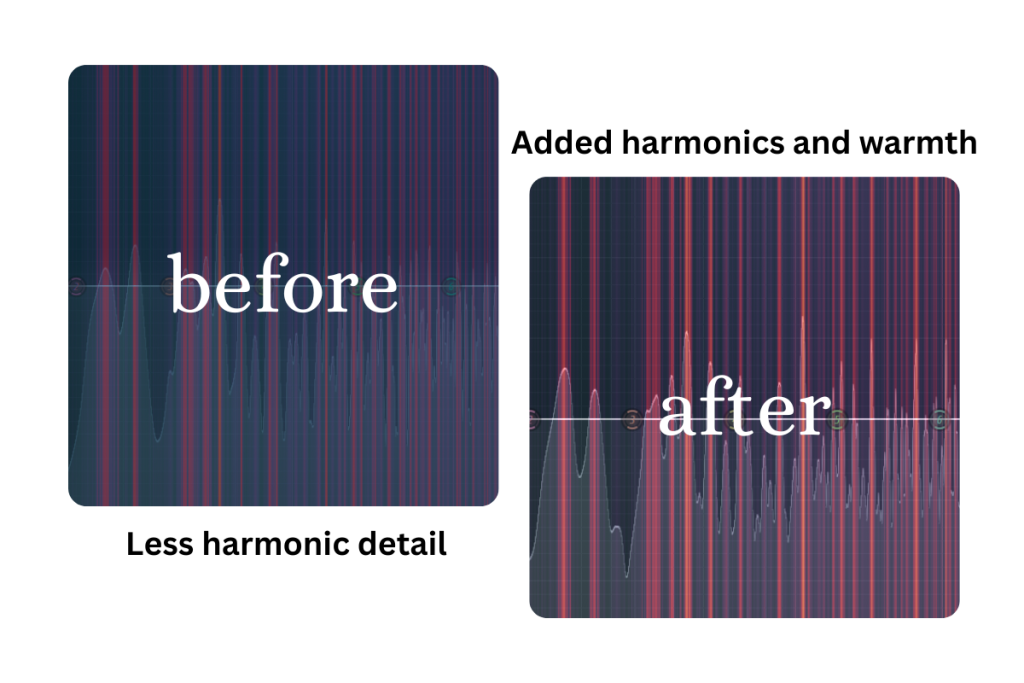
Audio saturation is the process of adding subtle distortion to a sound. Unlike harsh distortion, it’s smooth and musical. Audio Engineers use it to add warmth, thickness, and life to recordings.
When a sound is clean, it can feel thin or digital. With saturation, you add extra harmonics. These are small overtones that make the sound richer. It also gently compresses peaks, making tracks feel glued together. That’s why producers often call it the secret “seasoning” of a mix.
Different types of saturation
There are different types of saturation that you can apply based on the sogn requirements:
Tape Saturation
Tape saturation effect comes from recording on magnetic tape. It softens sharp edges, rounds off transients, and adds a warm tone. Many producers love it on drums and the master bus. It gives tracks that vintage, polished feel.
Here are some of the best tape saturation plugins:
Waves J37
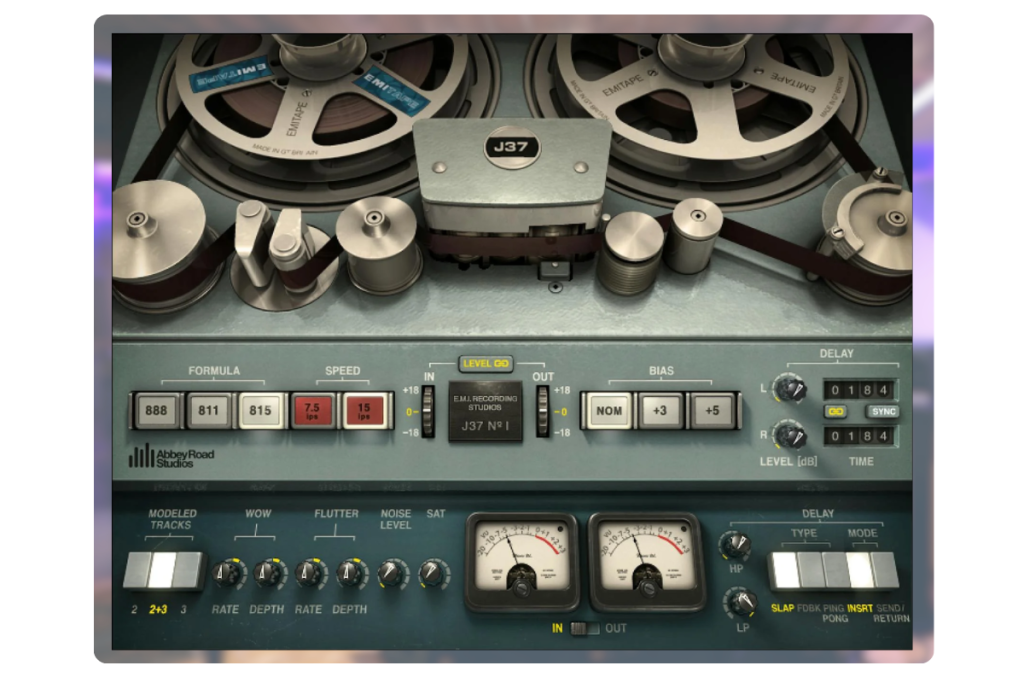
This plugin models the classic Abbey Road tape machines. It’s known for adding warmth and slight tape compression that works well on vocals and drum buses. You can also tweak wow, flutter, and tape speed for subtle movement and depth.
Virtual Tape Machines (VTM)
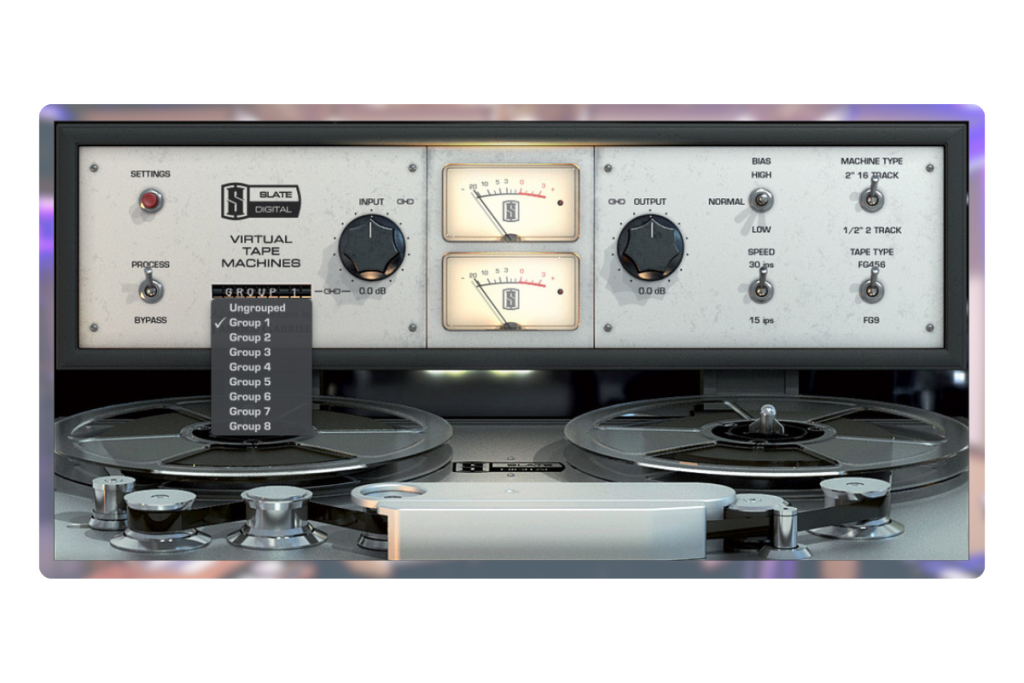
Slate Digital’s VTM is designed to capture the sound of professional multitrack and mastering tape decks. It gives mixes a rounder low end and smooth top. Many producers like it on the master bus to glue everything together naturally.
iZotope Tape
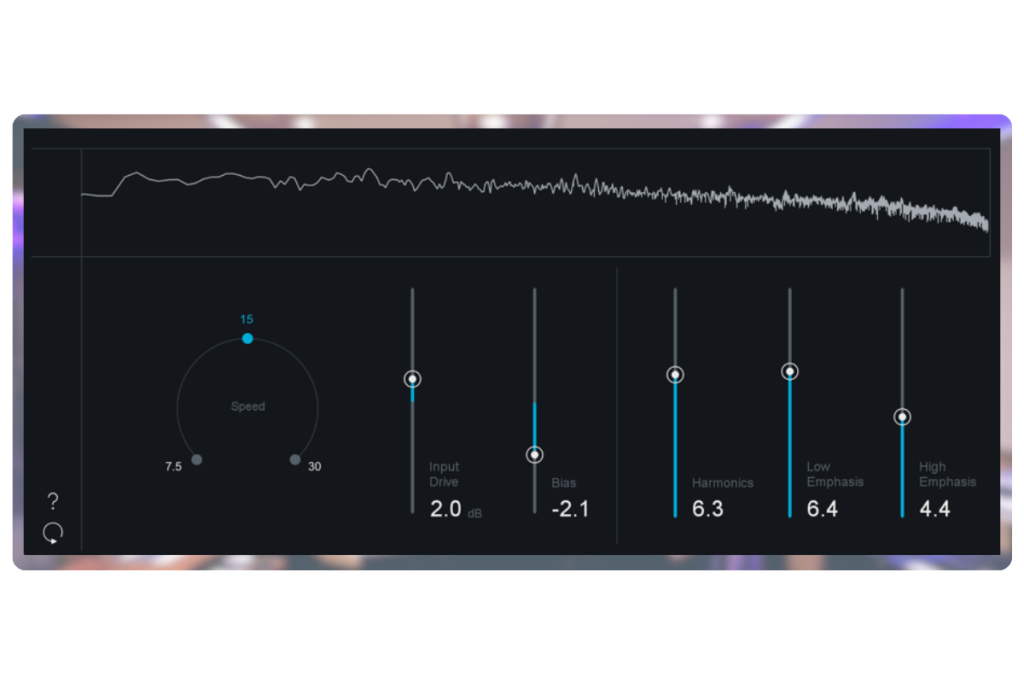
Part of iZotope’s suite, this tool is straightforward but versatile. It offers tape coloration without overcomplicating things. It’s great if you want an easy way to add warmth to synths, guitars, or full mixes while keeping control over drive and tone balance.
Tube Saturation
Tube saturation comes from old tube amps and gear. It creates pleasant harmonic distortion in the midrange. This type of audio saturation makes vocals more alive and instruments more colorful. It’s often described as smooth but bold.
Here are some plugins that you can use to apply tube saturation to your mix:
Waves Kramer Master Tape
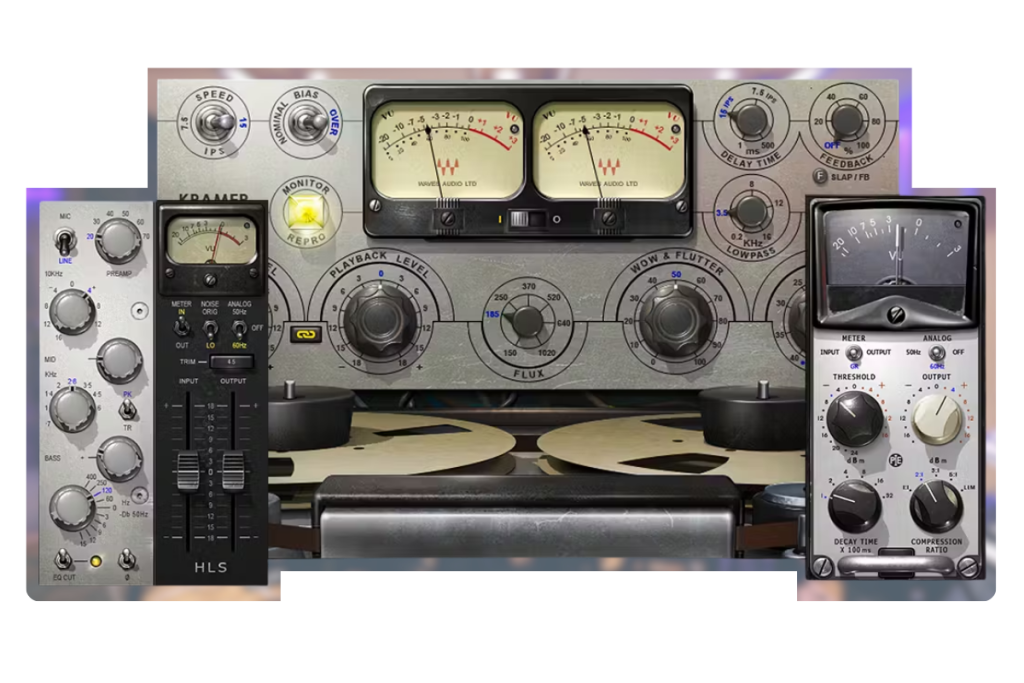
Although designed as a tape emulation, it includes tube-driven characteristics inspired by vintage hardware. It’s useful for adding lush warmth and subtle harmonic color across a full mix or on instruments.
FabFilter Saturn 2
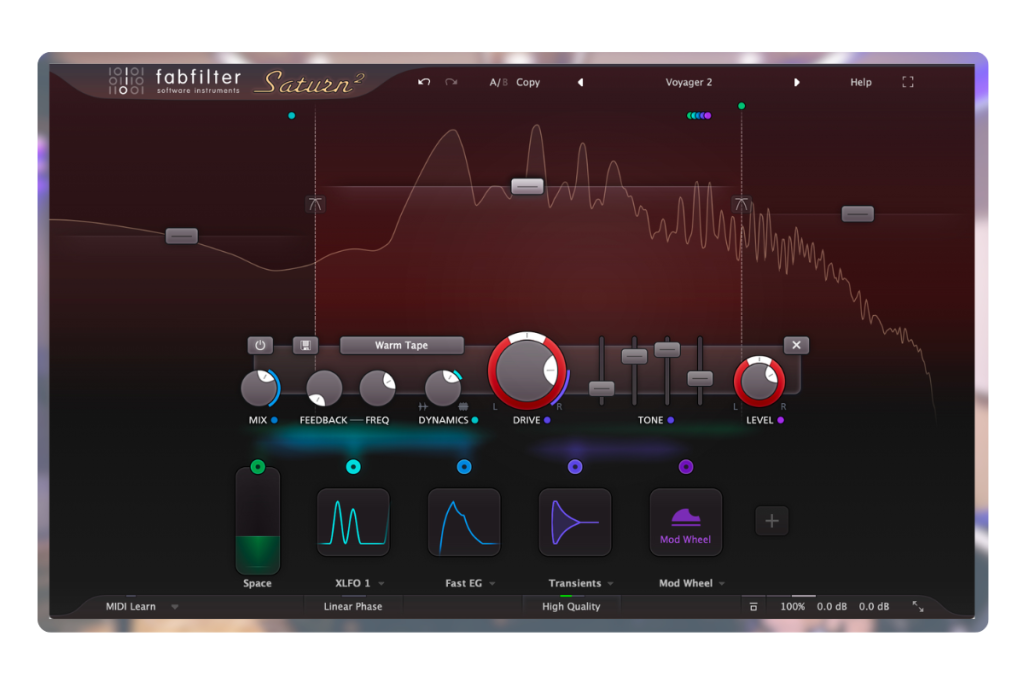
This is a flexible multiband saturator. It includes tube-style options that let you warm up specific frequency ranges. You can, for example, add tube harmonics to just the mids of a vocal or bass for extra presence.
SoundToys Decapitator
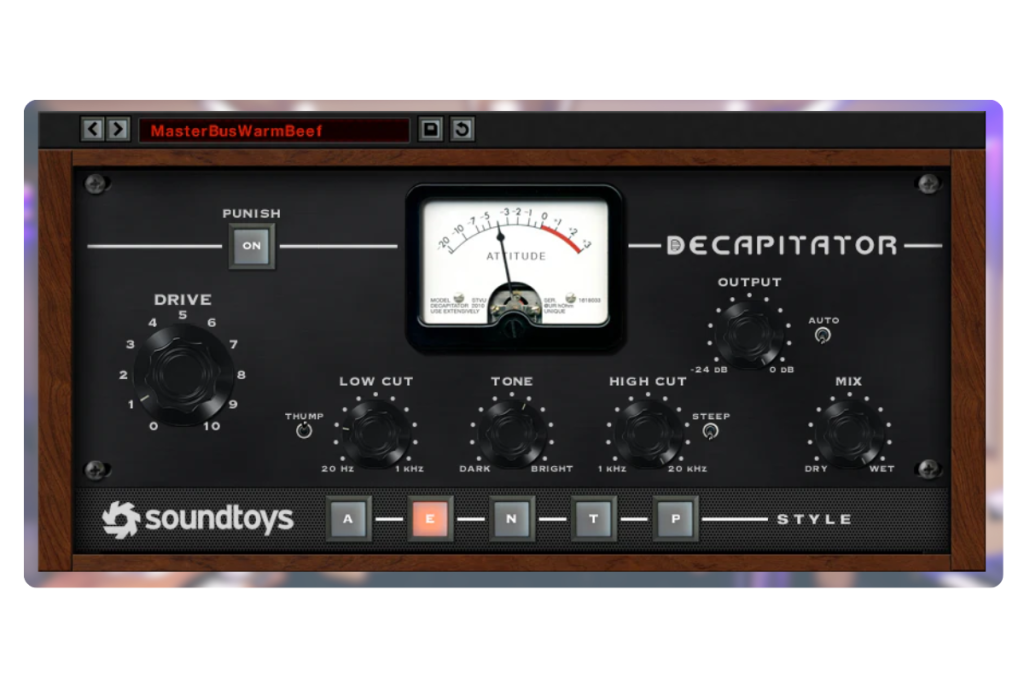
A go-to for many engineers, Decapitator offers several analog styles, including tube modes. It adds smooth midrange energy, ranging from subtle warmth to aggressive drive. Great on vocals and guitars.
Transistor Saturation
Console saturation comes from analog mixing boards. It adds a subtle grit and punch. It’s less dramatic than tape or tube but great for glueing tracks together. Many engineers use it across an entire mix for cohesion.
Let’s check out some tools that emulate console style/transistor style saturation:
Waves NLS -Non-Linear Summer
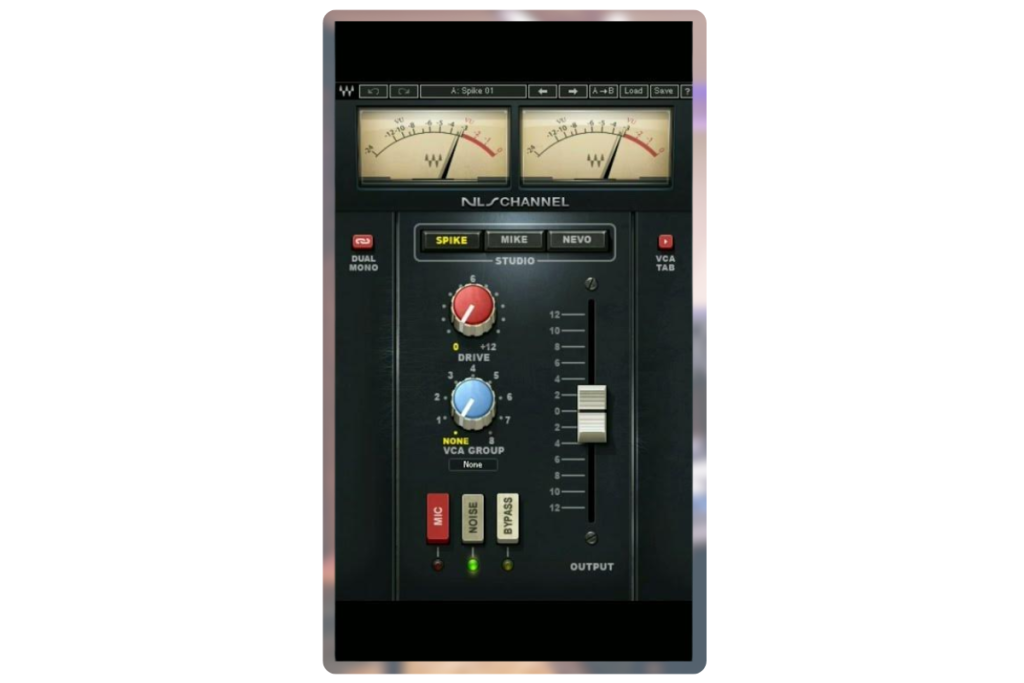
This plugin models three famous analog mixing consoles, each with its own transistor-driven coloration. It’s great for adding subtle grit and “glue” across multiple tracks or your entire mix.
Sonimus Britson
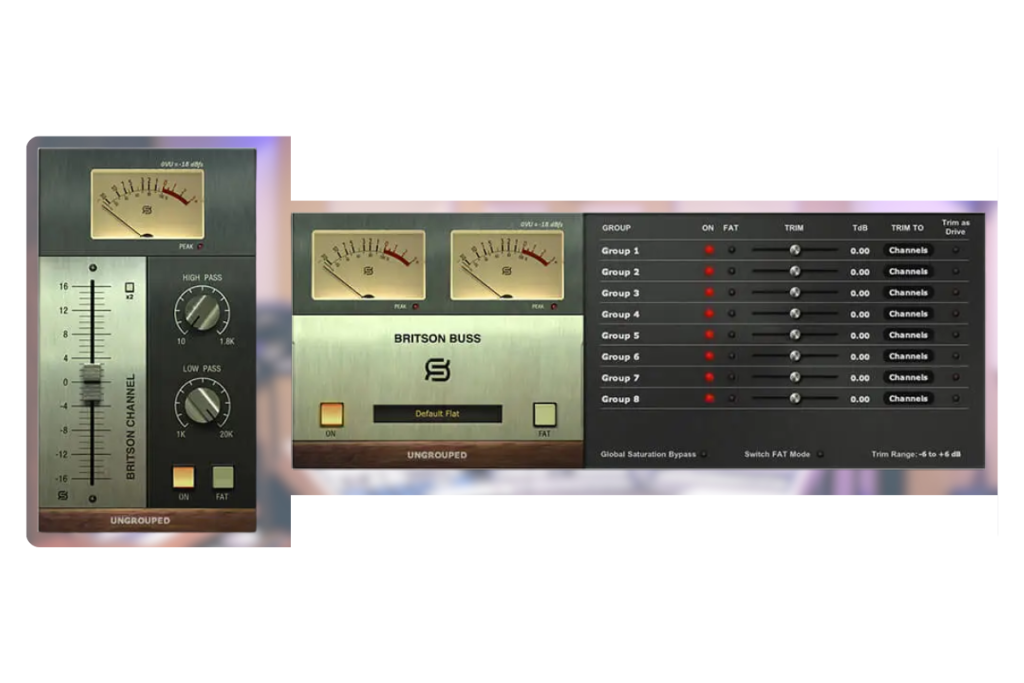
A lightweight but powerful console emulation inspired by British transistor desks. It adds gentle harmonic richness and smooth audio saturation, perfect for bus processing or giving a mix natural depth without harshness.
Brainworx bx_console SSL 4000 E / G
Part of the Plugin Alliance suite, these emulations capture the harmonic character of SSL transistor consoles. They provide that punchy midrange focus and are excellent for drums and rock mixes.
Where and how saturation helps in the mix
Vocals
Vocals can sound thin if recorded dry. A touch of the saturation effect adds warmth and makes the voice stand out. Tube saturation is often the best choice here. It adds character without making the singer sound harsh.
Drums
Drums often feel spiky or disconnected. Audio Saturation smooths peaks and gives them body. Tape saturation is especially good on the drum bus. It makes kicks punchier and snares rounder.
Instruments
Guitars
A little saturation effect makes clean guitars fuller. It can also add grit to electric guitars without heavy distortion.
Bass
Bass benefits a lot. With saturation, the low-end gains harmonics, so it’s audible even on small speakers.
Synths/Keys
Digital synths can sound cold. Adding the saturation effect gives them warmth and texture.
Free saturation plugins
Here are three of the most popular and reliable free saturation plugins you can include:
Softube Saturation Knob
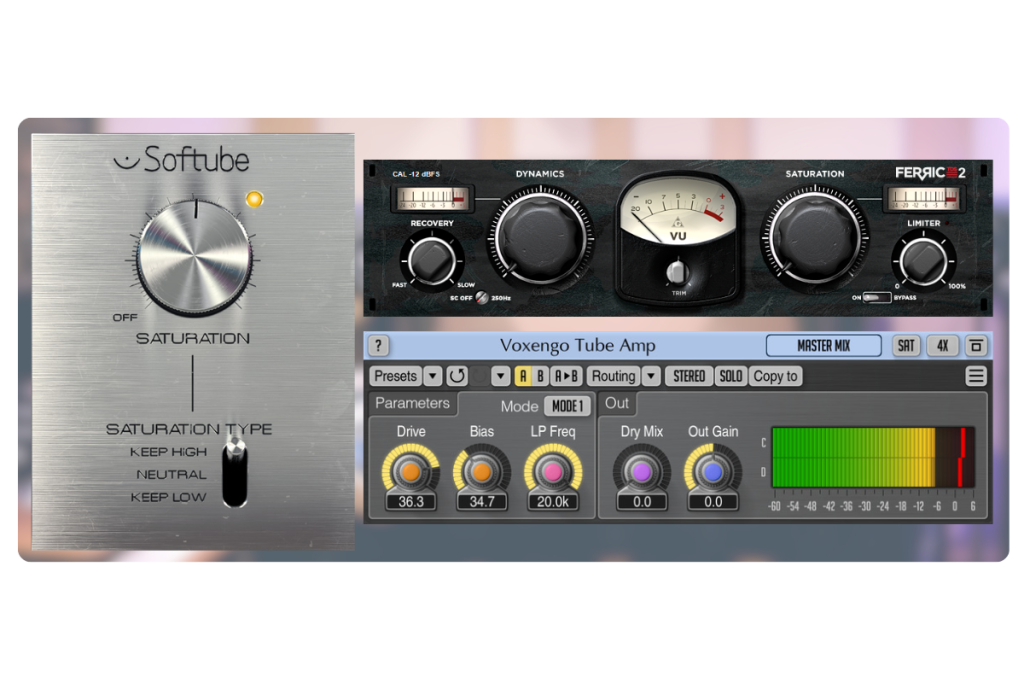
A classic free plugin that’s extremely easy to use. It has just one knob and three modes (Keep High, Neutral, Keep Low). Great for quickly adding warmth to vocals, drums, or synths without overthinking.
FerricTDS (by Variety of Sound)
A well-loved tape dynamics simulator. It combines subtle tape saturation with gentle compression. Perfect for drum buses and mixes where you want that smooth “tape glue.”
Voxengo Tube Amp
A simple tube-style saturator. It lets you dial in soft, warm harmonics or push harder for a gritty edge. Works nicely on guitars, bass, and even mix buses.
Mistakes to avoid
Audio Saturation is powerful, but it’s easy to misuse. Here are the most common mistakes to watch out for:
Overdoing it
It’s tempting to crank up the saturation. However, excessive saturation can make your mix sound muddy and unclear. Always start with more than you think you need, then back it off until it feels natural. A/B test with the bypass button often to check if it’s actually improving the sound.
Not level-matching
Saturation usually makes things louder, and louder will always sound “better” to your ears. To judge fairly, match the output level with the original. This way you hear the true tonal change, not just the volume boost.
Using it everywhere
You don’t need saturation effect on every track. Overloading your mix with it can reduce clarity and dynamics. Use it selectively. For example, add where it adds character.
Frequently Asked Questions about Audio Saturation
Is saturation the same as distortion?
Not exactly. Distortion is often harsh and obvious. Saturation is smooth and subtle. It helps add warmth and balance without compromising clarity. Think of distortion as extreme, and saturation as the controlled version.
What does it mean when a sound is saturated?
A saturated sound has extra harmonics added to it. This makes it richer, fuller, and more textured than the clean version. It also gently compresses the peaks, which helps glue the track together. Engineers use it to make digital recordings feel more natural and alive.
Does saturation effect increase LUFs?
Yes, in many cases. Saturation compresses peaks and adds harmonics, which can make the track sound louder at the same volume setting. This may increase the LUFS reading, but it’s not the main purpose. The goal is tone and texture, not just loudness.
Is overdrive the same as saturation?
Overdrive is a type of distortion often used on guitars, while saturation is more subtle. Overdrive produces strong grit and crunch, while saturation aims for warmth and glue. Both work by adding harmonics, but saturation is usually applied in smaller amounts across many sounds.
Does saturation add harmonics?
Yes. Saturation creates extra harmonic content on top of the original sound. These harmonics are what make the tone warmer and fuller. For example, tube saturation adds smooth midrange harmonics, while tape saturation adds subtle, balanced ones. These details make tracks feel less flat and more musical.
Conclusion
Audio saturation is one of the easiest ways to make a mix sound warm, full, and professional. Whether you use tape, tube, or console styles, the goal is subtlety. A little adds character, while too much can cloud your mix. Experiment on vocals, drums, and instruments, and trust your ears. With careful use, the saturation effect can transform flat recordings into lively, textured tracks that stand out.