
Have you ever wondered why your audio sounds loud in one place but weak or harsh in another? Many musicians, singers, and podcasters struggle with loudness without knowing why. Loudness control is not about pushing volume higher, but about managing how sound feels to listeners. In this guide, we explain how Remasterify controls LUFS and True Peak to keep audio clean, balanced, and comfortable across streaming platforms, devices, and real-world listening situations.
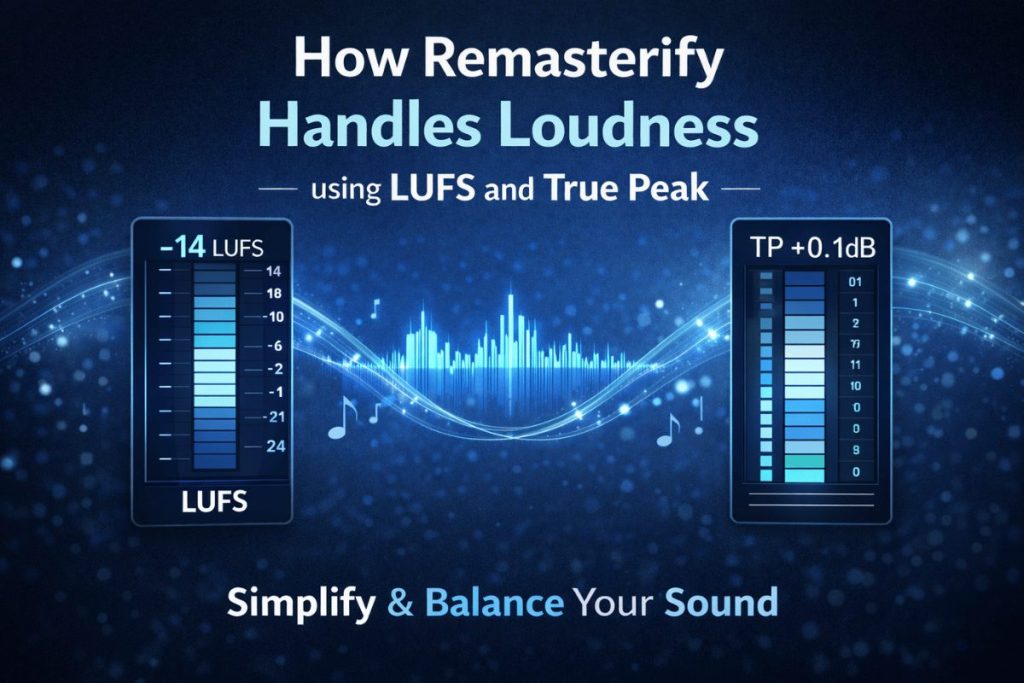
Table of Content
How Does Remasterify Measure and Control LUFS?
How Does Remasterify Manage True Peak and Avoid Clipping?
Then Remasterify is the Solution for You
What Is Loudness Control?
Loudness control is about making audio feel right to the listener, not just making it louder. In mastering, it helps audio sound balanced, comfortable, and professional everywhere it is played, from headphones to streaming platforms.
Loudness control keeps audio consistent across different devices
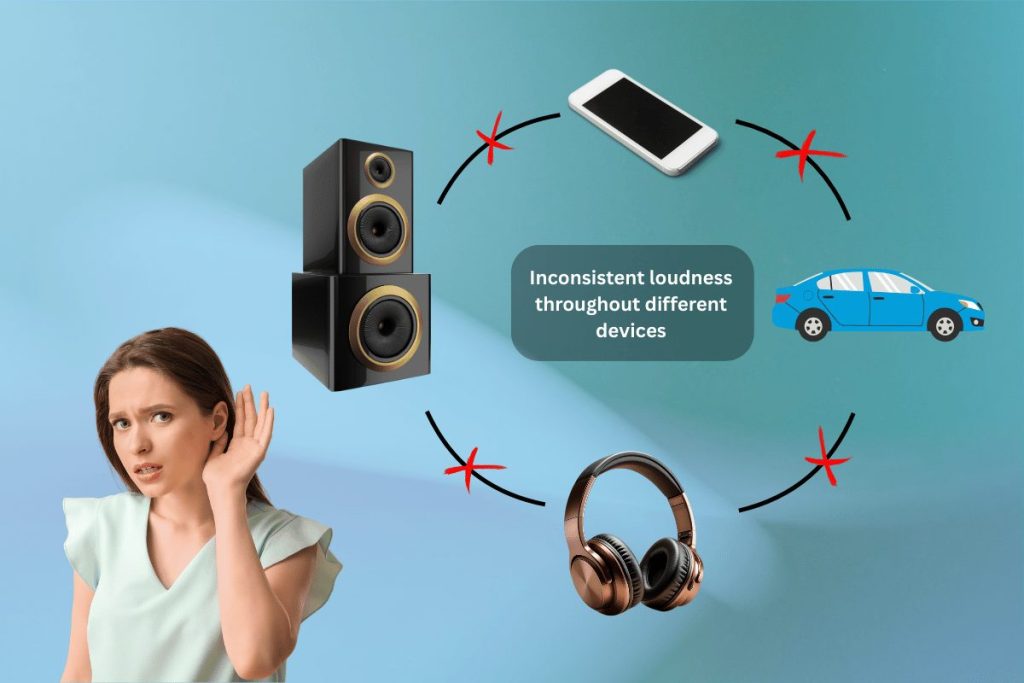
Suppose you’re listening to your song on studio speakers and loving it, then playing the same track on your phone and feeling something is off. This happens because different devices handle sound in different ways. Loudness control helps your audio adapt to all of them.
By managing overall loudness, mastering makes sure your audio does not feel too strong on small speakers or too weak in cars. The goal is consistency, so listeners hear the same balanced sound no matter the device.
It prevents sudden volume changes between tracks
Have you ever had to rush to lower the volume because the next song or podcast suddenly sounded much louder? That is a loudness problem. When tracks are mastered without control, they do not match each other.
Loudness control keeps volume levels even between tracks. This makes playlists, albums, and podcast episodes flow smoothly without forcing listeners to adjust the volume again and again.
Loudness control protects listeners from fatigue
When audio stays too loud for too long, the ears get tired. Even if the content is good, listeners may stop listening early. This is called listener fatigue, and it is very common with poorly mastered audio.
Proper loudness control keeps audio strong but gentle on the ears. It allows quiet moments to exist, making loud moments feel more exciting without causing stress.
Streaming platforms expect proper loudness levels
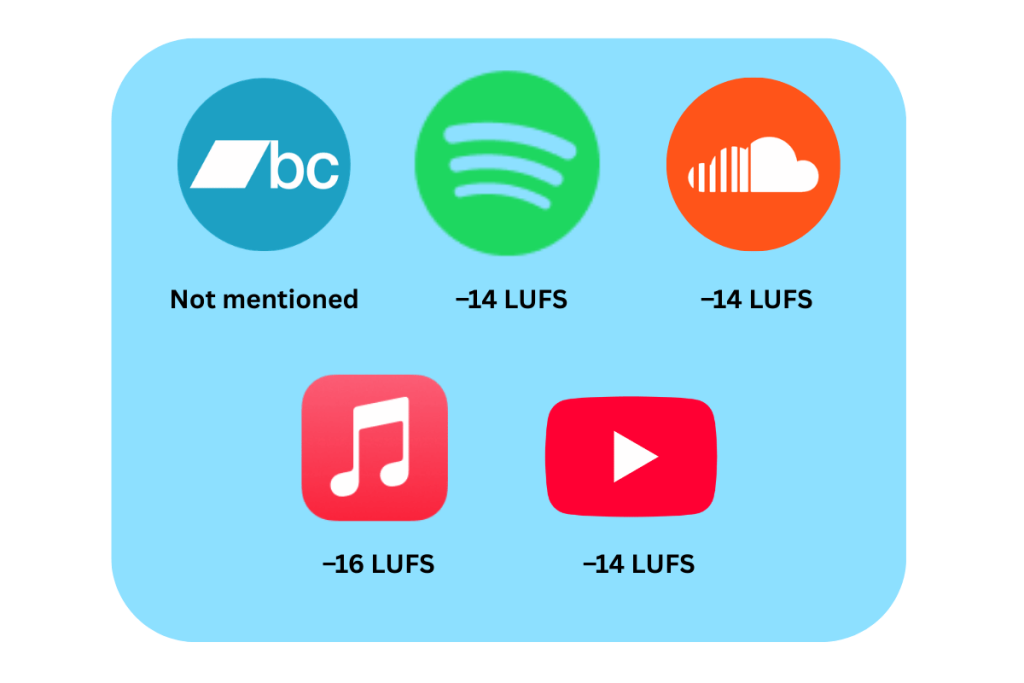
Most streaming platforms now adjust loudness automatically. If your audio is too loud, the platform turns it down. If it is too quiet, it turns it up, often changing how it sounds.
By controlling loudness during mastering, your audio already matches platform expectations. This helps your sound stay clean, balanced, and predictable after upload.
How Does Remasterify Measure and Control LUFS?
To control loudness properly, Remasterify needs to understand how loud your audio feels over time. It does this using LUFS, the modern loudness standard used by streaming platforms. This allows the system to manage loudness accurately without damaging the natural sound.
Remasterify analyzes integrated loudness using LUFS
LUFS measures the average loudness of an entire track, not just the loudest moments. This matches how human ears actually experience sound while listening from start to finish.
Remasterify analyzes integrated LUFS to see the true loudness of your audio. This helps the system decide how much adjustment is needed to reach a clean and balanced level. Read More.
The system balances loudness without squashing dynamics
Music and speech naturally move between soft and loud moments. These changes are called dynamics, and they make audio feel alive and emotional.
Remasterify controls loudness gently so these dynamics are preserved. Instead of flattening the sound, it balances the overall level while keeping the natural rise and fall of the audio intact.
LUFS targets are adjusted for modern streaming platforms
Different platforms expect different loudness levels. If audio does not match these expectations, platforms will change the volume automatically after upload.
Remasterify adjusts LUFS targets to fit modern streaming standards. This helps your audio sound consistent and intentional across music platforms, podcasts, and online playback.
Loudness is controlled automatically without manual guesswork
Many beginners struggle with loudness because it involves meters, numbers, and technical decisions. Guessing often leads to audio that is too loud or too quiet.
Remasterify removes this guesswork by handling LUFS control automatically. The system makes smart adjustments so creators can focus on content instead of technical settings.
How Does Remasterify Manage True Peak and Avoid Clipping?
Even when audio looks safe on normal meters, hidden peaks can still cause distortion. True Peak control focuses on catching these problems before they reach listeners. Remasterify manages True Peak carefully to keep audio clean, punchy, and free from clipping.
True peak detection catches hidden peaks missed by normal meters
Standard peak meters only show sample peaks, not what happens between them. During playback or encoding, these hidden peaks can rise higher and cause distortion.
Remasterify uses True Peak detection to find these invisible spikes. This helps prevent problems that might only appear after the audio is uploaded or streamed.
Remasterify predicts inter-sample peaks before they cause distortion
Inter-sample peaks happen when audio is converted for streaming formats. Even if the original file looks safe, conversion can push peaks over the limit.
Remasterify predicts these peaks in advance and controls them early. This keeps the audio clean during encoding and playback on all platforms.
Peak control preserves transients and punch
Transients are short, sharp sounds like drum hits and consonants in speech. They give audio energy and clarity. Poor peak control can dull or crush these moments.
Remasterify manages peaks without damaging transients. The result is audio that stays punchy and clear while still remaining safe from clipping.
Safe true peak levels protect audio during encoding and playback
Streaming platforms compress and encode audio in different ways. If True Peak levels are too high, distortion can appear even after mastering.
Remasterify keeps True Peak within safe limits so audio survives encoding without damage. This ensures your final output sounds clean on every device and platform.
Then Remasterify is the Solution for You
Loudness control does not have to be confusing or technical. When LUFS and True Peak are handled correctly, audio sounds balanced, clear, and comfortable everywhere it is played. That is the real goal of mastering.
Remasterify manages loudness by measuring how audio feels, not just how loud it looks. By controlling LUFS for streaming platforms and protecting True Peak levels from clipping, the system delivers audio that translates well across devices and survives encoding safely.
For musicians, singers, and podcasters, this means less guessing and fewer fixes after upload. The final result is audio that sounds natural, professional, and ready for real-world listening, without needing deep technical knowledge.